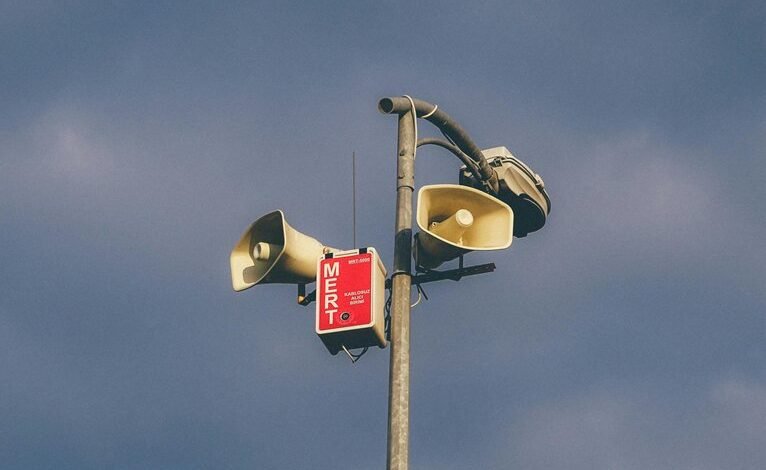
The Digital Address Registry entry for 10.99.99 represents a critical aspect of contemporary digital networking. Its integration with real-time alerts facilitates improved communication and responsiveness among stakeholders. This combination enhances data management and situational awareness, allowing for proactive intervention in network events. As the landscape of digital interactions continues to evolve, the implications of this registry entry warrant further examination. What potential advancements lie ahead in this interconnected framework?
Understanding the Digital Address Registry
The Digital Address Registry serves as a crucial framework for managing and standardizing address data in the digital landscape.
This registry enhances digital infrastructure by facilitating address verification processes, thereby ensuring accuracy and reliability in various applications.
The Importance of 10.99.99 in Connectivity
While many may overlook the significance of specific numerical addresses in the digital realm, 10.99.99 emerges as a pivotal component in enhancing connectivity across networks.
Its strategic placement facilitates improved network efficiency, addressing connectivity challenges that often hinder seamless communication.
Real-Time Alerts: Enhancing Communication
Real-time alerts play a significant role in enhancing communication within digital networks, particularly when integrated with systems that utilize optimized numerical addresses like 10.99.99.
These real-time notifications facilitate immediate responses, ensuring effective communication strategies are employed. By providing timely updates and alerts, stakeholders can maintain situational awareness, thereby fostering a more responsive and agile communication environment conducive to informed decision-making and operational efficiency.
Future Implications of the Digital Address Registry
As digital infrastructure continues to evolve, the future implications of the Digital Address Registry are poised to significantly impact various sectors, including logistics, emergency services, and urban planning.
Enhanced accuracy in location data may bolster digital sovereignty; however, this raises privacy concerns regarding data ownership and surveillance.
Balancing innovation with individual rights will be crucial in fostering trust and ensuring equitable access.
Conclusion
In conclusion, the integration of the Digital Address Registry entry 10.99.99 with real-time alerts juxtaposes the potential for immediate responsiveness against the backdrop of complex network challenges. While traditional communication methods often lag, this innovative framework fosters a seamless flow of information, underscoring the transition from reactive to proactive management. As digital interactions evolve, the strategic significance of 10.99.99 not only redefines connectivity but also sets a benchmark for future advancements in network efficiency and responsiveness.