Launching a fruit juice production business is equal parts food science, operations, and brand building. The winners in this market combine safe, repeatable production with a clear product promise—freshness, nutrition, flavor variety, or convenience—then package it beautifully and distribute it efficiently. This step-by-step guide walks you through the full journey, from concept to launch and scale, with practical checkpoints you can act on immediately. Micet Craft Brewing Equipment Turnkey Solutions – Micet Group
Step 1: Define Your Positioning and Product Scope
Clarify the promise you want customers to remember in one sentence (e.g., “Cold-pressed tropical blends with no added sugar” or “Affordable everyday family juices with vitamins A/C/E”). Then decide:
- Product style: not-from-concentrate (NFC), from concentrate, cold-pressed, clarified vs. with pulp, fortified, organic.
- Shelf life path: chilled short shelf life (fresh), pasteurized refrigerated, shelf-stable aseptic, or HPP (high-pressure processed).
- Target customer: retail consumers (your brand), food service (HORECA), private label, or B2B bulk.
- Price band: premium, mid-market, value.
A crisp positioning trims complexity later—every choice on packaging, process, and channels flows from it.
Step 2: Validate Demand and Your Assumptions
Use quick tests before you commit to equipment and leases.
- Desk research: scan competitor assortments, price points, and pack sizes across supermarkets, convenience, and online.
- Customer interviews: 15–20 short calls with potential buyers (retailers, cafe owners, parents, athletes).
- Pilot sales: produce small batches with a co-packer or shared kitchen; sell in pop-ups or online; track repeat rate.
- Willingness-to-pay tests: offer three pack sizes or bundles at stepped price points to infer elasticity.
Define a go/no-go line (e.g., ≥35% gross margin at target price, ≥30% repeat purchase in 30 days) and stick to it.
Step 3: Choose Your Business Model and Channels
Common paths:
- Own brand (retail): highest margin potential; requires marketing investment and retail compliance.
- Food service: larger packs, simpler labels, stable volume once listed.
- Private label: lower margins but predictable demand if you win a contract.
- B2B bulk: supply juice or concentrates to bakeries, breweries, gelato shops.
Select two primary channels and do them well before expanding.
Step 4: Map Regulatory Requirements Early
Regulations vary by country/region, but expect:
- Food business registration/permit, water quality checks, and sanitation plan approval.
- HACCP (Hazard Analysis and Critical Control Points) plan; if exporting, check importing country rules.
- Allergen and nutrition labeling rules; claims (e.g., “no added sugar”) must be substantiated.
- Traceability/recall procedures and lot coding.
Consult your local authority or a food safety consultant to tailor specifics for your jurisdiction.
Step 5: Design the Product and Recipe Standards
Turn “tastes great” into specs:
- Fruit selection: cultivar, Brix (sweetness), acidity (pH/TA), color.
- Processing aids: enzymes (pectinase for yield/clarity), antioxidants (ascorbic acid) to limit browning.
- Sweetening approach: none, fruit-only, or approved sweeteners if lawful for your market.
- Cloud stability & pulp: decide clarity level and pulp percentage; specify filtering steps.
- Nutritional targets: serving size, calories, vitamins, any fortification plan.
Write a product specification sheet per SKU (ingredients, process temperatures/times, quality targets, shelf life, sensory profile).
Step 6: Select the Packaging Format and Closure
Packaging signals positioning and dictates process:
- Glass: premium feel, heat-tolerant; heavier freight.
- PET: lightweight, economical; choose hot-fill-compatible grades if pasteurizing hot.
- Cartons (aseptic): long shelf life; requires aseptic filling line and sterile consumables.
- Pouches: family and kids’ formats; good for ambient or chilled depending on process.
- Closures: screw caps with tamper bands, sport caps, or spouts; consider induction foil for tamper evidence.
Decide sizes (e.g., 250 ml/330 ml impulse; 1 L family; 5 L food service). Confirm compatibility with your planned filling method.
Step 7: Plan the Facility, Utilities, and Flow
Design for hygiene and efficiency:
- Zoning: raw fruit receiving → washing → processing → pasteurization/holding → filling/packing → finished goods.
- Utilities: potable process water with filtration/UV as needed; hot water/steam for pasteurization and CIP; chilled water/glycol for rapid cooling; adequate power; compressed air (dry, food-grade).
- Floors & drains: sloped, non-slip, cleanable. Separate waste lines for solids.
- Air management: positive pressure and filtration in high-care/aseptic areas.
Sketch the layout to minimize cross-traffic between raw and finished zones.
Step 8: Specify the Core Process and Equipment
A typical NFC/pasteurized line includes:
- Fruit handling: bin tipper, sorting conveyor, destoner/peeler as needed.
- Washing: bubble/brush spray washer to remove debris and residues.
- Size reduction: crusher or pulper to increase surface area.
- Extraction: screw press, belt press, or decanter—selected by fruit type and clarity target.
- Filtration/clarification: coarse screens, decanter, polishing filters as needed.
- Deaeration: reduces dissolved oxygen for better flavor and shelf life.
- Thermal step: plate or tubular pasteurizer; hot-fill or cool-fill per design.
- Homogenization (optional): improves mouthfeel and cloud stability for multi-fruit blends.
- Holding tank: sanitary, agitated, level-controlled.
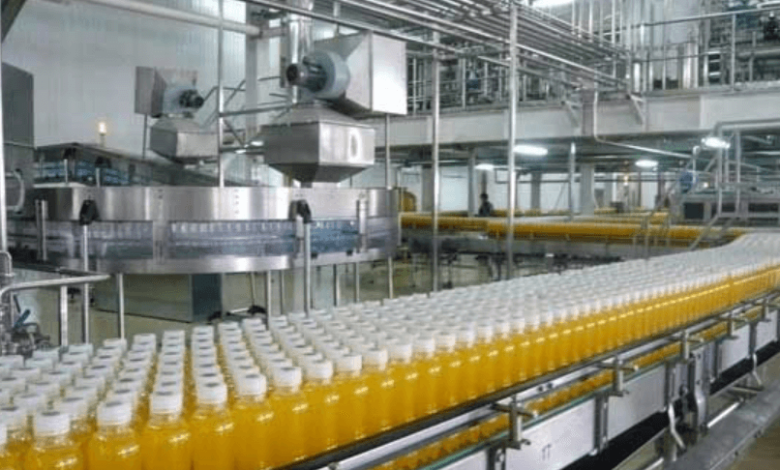
- Filling & capping: gravity/pressure fillers, hot-fill or aseptic; matched capper.
- Coding/labeling/pack-out: date/batch printers, labelers, case packers, palletizing.
- CIP (clean-in-place): automated cleaning loops for tanks, heat exchangers, pipes, and fillers.
Size equipment to your day-one target and your year-two ambition. If you plan to triple capacity later, choose platforms with upgrade paths (additional heads, longer pasteurizer modules, faster pumps).
Step 9: Build Your Supply Chain
Secure reliable inputs before you scale output:
- Fruit: seasonal contracts with growers or brokers; define specs (Brix, size, defects); include contingency varieties for poor harvests.
- Packaging: bottles/cartons, closures, labels/shrink sleeves, cases, pallets; confirm lead times and MOQ.
- Processing consumables: enzymes, filters, cleaning chemicals, lubricants, gaskets, spare parts.
- Cold chain services: if selling chilled, line up refrigerated storage and transport.
Add dual sourcing for critical items where possible to reduce disruption risk.
Step 10: Establish Quality Assurance and Food Safety
Turn your HACCP plan into daily practice:
- Incoming checks: fruit Brix, pH, visual defects; packaging integrity.
- CCPs: pasteurization temperature/time, filler sterility (if aseptic), bottle/cap sanitation.
- In-process tests: pH, Brix, viscosity (if pulpy), dissolved oxygen, fill volume.
- Micro testing: routine pathogen and spoilage organism checks as appropriate.
- Shelf-life studies: real-time and accelerated; observe flavor, color, microbial counts.
- Traceability: lot coding ties raw materials to finished goods; run mock recalls quarterly.
Document everything. Consistency builds retailer trust and reduces waste.
Step 11: Staff, Train, and Write SOPs
Even automated plants rely on well-trained people.
- Roles: production lead, QC tech, line operators, sanitation, maintenance, warehouse/dispatch.
- SOPs: receiving, fruit washing, start-up/shutdown, CCP monitoring, filler changeovers, sanitation, allergen control (if applicable), waste handling, incident reporting.
- Training: food hygiene, chemical handling, PPE, lockout/tagout, first aid, forklift (if used).
Cross-train to improve resilience against absences and demand spikes.
Step 12: Model Your Unit Economics
Know your costs before the first bottle ships. Break down COGS per liter:
- Fruit (net of yield): if 1 kg fruit yields 550 ml of juice and fruit costs $0.80/kg, raw fruit cost ≈ $1.45/L.
- Processing aids/ingredients: enzymes, antioxidants, sugar or blends if used.
- Packaging: bottle/carton, cap, label/shrink sleeve, case, pallet—often $0.20–$0.70 per 330 ml bottle equivalent.
- Direct labor: operators per shift ÷ hourly output.
- Utilities: heat, chill, water, compressed air.
- Depreciation/lease: equipment and facility spread across expected volumes.
- Freight and distribution: in-house or 3PL rates; cold chain premiums for chilled SKUs.
Target a gross margin that funds marketing and overhead (commonly 35–55% depending on channel). Track yield relentlessly—each extra percentage point of extraction or reduction in waste can swing profitability.
Step 13: Plan Production and Inventory
Align marketing promises with operations.
- MRP: forecast fruit, packaging, and consumables with reorder points.
- FEFO: first-expiry-first-out for chilled lines; monitor days-on-hand by SKU.
- Batch sizing: balance changeover losses vs. freshness; schedule similar SKUs back-to-back.
- OEE dashboard: availability, performance, quality—spot bottlenecks early.
For chilled products, prioritize frequent smaller runs to keep days-fresh high at shelf.
Step 14: Build Your Brand and Route to Market
- Brand story: origin of fruit, sustainability, community support—keep it authentic.
- Compliance labels: nutrition facts, ingredient list, allergens (if any), storage instructions, batch/date.
- Trade marketing: retail sell-in decks with velocity projections, margin structure, promotional plans.
- Digital: product pages with process/ingredient transparency, where-to-buy, subscriptions, reviews.
- Sampling: the fastest way to convert new customers—plan in-store demos or partnerships with gyms/cafes.
Start with two or three hero SKUs so retailers can stock them deep and consumers can form habits.
Step 15: Logistics, Cold Chain, and Distribution
- Chilled lines: invest in rapid cooling after pasteurization, refrigerated storage, and validated last-mile.
- Ambient lines: focus on pallet configuration, case strength, and efficient 3PL network.
- Export readiness: labeling language, certificates, and shelf life aligned with transit times.
- Damage prevention: top-load strength testing, shrink bundling, corner boards for pallets.
Your product is only as good as it arrives—measure damages, temperature excursions, and on-time delivery.
Step 16: Launch Plan and KPI Cadence
Treat launch as a process, not an event.
- Soft launch: 3–5 pilot retailers or regional e-commerce to validate price, flavor mix, and replenishment.
- KPIs: velocity (units/store/week), repeat rate, returns/complaints, manufacturing yield, OEE, on-time-in-full (OTIF).
- Iteration: adjust sweetness, acid balance, or pack size based on real data; trim slow sellers.
- Cash: protect it—avoid over-assortment and manage receivables tightly.
Step 17: Scale Intelligently
- Automation: add fillers with more heads, faster pasteurizer modules, robotic palletizing as volume grows.
- Portfolio: extend cautiously (e.g., new flavor in a proven format) and retire underperformers.
- Channels: after retail success, consider food service or private label to fill capacity.
- Sustainability: reduce water/energy per liter, recover peel/pulp for secondary uses (animal feed, pectin extraction) where feasible.
Scaling is about compounding small operational wins while protecting product quality.
Starter Equipment Checklist (By Process Stage)
- Reception & prep: bins, sorting tables, conveyors, destoners/peelers.
- Washing: bubble/brush/spray washer with recirculation and filtration.
- Size reduction: crusher/pulper matched to fruit hardness.
- Extraction: screw or belt press; decanter for certain fruits.
- Clarification: screens/filters; optional fining agents per regulation.
- Deaeration & mixing: vacuum deaerator; blend tanks with agitation.
- Thermal treatment: plate/tubular pasteurizer; temperature/time control and recording.
- Holding: insulated tanks with level sensors and CIP spray balls.
- Filling & capping: gravity/pressure/hot-fill/aseptic filler; matched capper.
- Coding/labeling/pack-out: date coders, labelers, case packers, palletizer.
- CIP & hygiene: caustic/acid/sterile water loops, chemical dosing, heat reclaim where viable.
Choose semi-automatic for low/medium volume and flexibility; go automatic when velocity and labor scarcity demand it.
See also: Unlocking Mining Potential: Minxcon’s Comprehensive Mining Consulting Services
Common Pitfalls (And How to Avoid Them)
- Under-spec’d utilities: pasteurizers and chillers starve without enough heat/cold; oversize modestly.
- Skipping shelf-life testing: launch delays and returns follow; run tests in parallel with equipment commissioning.
- Too many SKUs: complexity kills margins; focus on hero products first.
- Inadequate CIP: fouled heat exchangers and micro issues; automate cleaning and verify.
- Weak traceability: missing lot links complicate recalls; code everything from fruit bins to pallets.
Write these on your wall—most failures are operational, not marketing.
Recommendation: Micet’s Turnkey Juice Equipment
For founders who want reliable production with room to grow, Micet offers integrated fruit juice processing and packaging solutions that cover every critical stage:
- Prep to Press: fruit washers, crushers/pulpers, and high-yield extraction (screw/belt) matched to apple, citrus, tropicals, and berry profiles.
- Quality Core: deaeration, homogenization (if needed), and PLC-controlled pasteurizers (plate/tubular) with precise temperature-time records for audit trails.
- Hygienic Tanks & CIP: food-grade stainless steel tanks with spray-ball CIP; automated caustic/acid/sterile water cycles to keep lines spotless with minimal downtime.
- Fill & Pack: semi-automatic to fully automatic fillers/cappers for glass, PET, or pouches; options for hot-fill or aseptic configurations; integrated date coding, labeling, and case packing.
- Scalable & Supported: modular lines that expand with demand, plus installation guidance, operator training, and responsive after-sales service.
Whether you’re building a craft cold-pressed brand or a high-throughput family juice line, Micet’s systems help you hit consistency, safety, and cost targets from day one—and scale smoothly as orders grow.
FAQs
What licenses or certifications do I need to start a juice plant?
You’ll typically need a food business permit, an approved sanitation plan, and a HACCP program (or equivalent) covering hazards and critical control points like pasteurization and filling. Labels must comply with local nutrition and ingredient rules, and exporters may need additional certifications. Check your local authority for exact requirements.
How much capital do I need to launch?
Budgets vary widely by scale and shelf-life path. A micro-facility with semi-automatic washing, pressing, pasteurization, and filling might start in the low six figures (USD) excluding real estate, while fully automatic hot-fill or aseptic lines, larger utilities, and warehousing can reach mid- to high-six figures or more. Build a model from capacity (bottles/hour), yield, and packaging choices to refine this range.
Should I choose chilled fresh juice or shelf-stable products?
Chilled fresh juice offers a premium, “just-made” perception but needs strict cold chain and has shorter shelf life. Shelf-stable (hot-fill or aseptic) unlocks wider distribution and lower logistics risk but requires more capital and process rigor. Align the choice with your positioning, channel strategy, and cash flow tolerance.